

Understanding Inverters: What You Need to Know
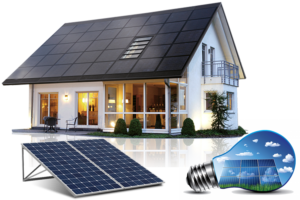
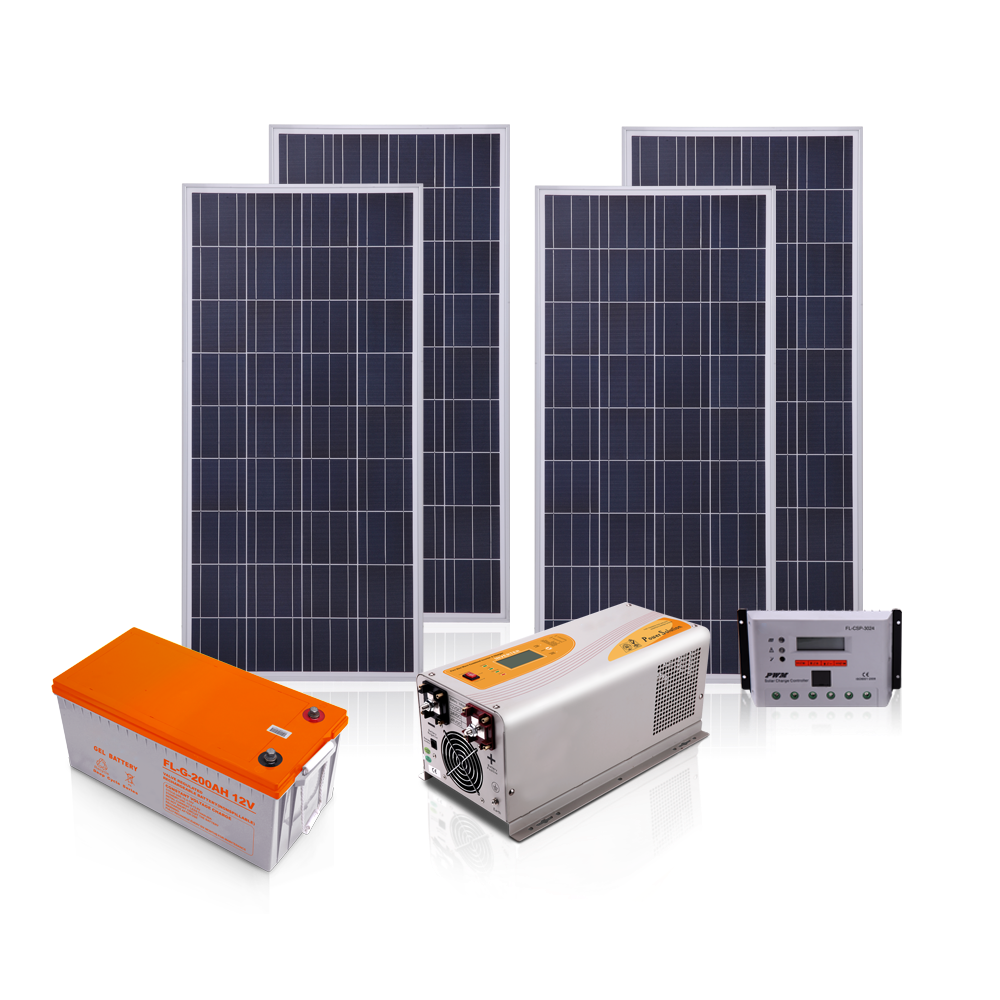
Inverters play a vital role in modern households by converting direct current (DC) electricity from sources like batteries or solar panels into alternating current (AC) electricity, which is utilized by most home appliances. This conversion is essential for ensuring that devices operate efficiently, especially during power outages or when employing renewable energy sources. There are several types of inverters available, but the three primary categories include pure sine wave, modified sine wave, and square wave inverters.
Pure sine wave inverters deliver the most efficient and reliable power, closely mimicking the quality of grid electricity. They are ideal for sensitive electronics, such as computers and medical equipment, as they ensure steady power delivery without fluctuations. Modified sine wave inverters, while less expensive, can produce power that may not be entirely compatible with all devices, leading to potential malfunctions or decreased performance. Square wave inverters are the most basic type and are typically used for simple applications that do not require clean power, such as powering incandescent lights or older appliances.
Selecting the appropriate inverter is critical to ensuring optimal performance for your specific needs. It involves considering both the wattage requirement of the devices you intend to run and the overall efficiency of the inverter. The right inverter will provide backup power during outages, potentially save on energy costs, and extend the life of your electronics by delivering the proper voltage and waveform.
In addition to these benefits, having an inverter installed can significantly enhance the resilience of your household’s power management system. By understanding the various types of inverters and their functions, you can make more informed decisions on which system best suits your needs. Investing in a high-quality inverter not only secures power availability but also contributes to the overall efficiency of your energy consumption.
Key Factors to Consider When Choosing an Inverter
When selecting an inverter, it is imperative to assess several key factors that align with your specific energy demands and lifestyle. One of the foremost elements is the wattage capacity. Understanding the total power consumption of your household appliances is crucial. This means calculating the wattage required when all devices are operating together. For instance, if you plan to power multiple devices like refrigerators, lights, and electronics, the inverter must support a wattage that exceeds the cumulative requirement to prevent overloads.
Another significant consideration is the efficiency rating of the inverter. The efficiency of an inverter indicates how much energy is converted from DC to AC power and ultimately utilized by your appliance. A higher efficiency rating typically translates to lower energy losses, making it more cost-effective in the long term. Therefore, comparing various inverter models based on their efficiency ratings can lead to better energy management and reduced electricity bills.
Battery compatibility is equally essential when choosing an inverter. Some inverters are designed to work with specific battery types, such as lead-acid or lithium-ion batteries. It is crucial to select an inverter that is compatible with your existing battery system or any new one you plan to invest in. This compatibility ensures optimal performance and longevity.
Features like LCD displays, USB ports, and smart technology also enhance the user experience. An inverter equipped with an LCD display provides real-time monitoring of power usage, battery status, and system faults. USB ports add versatility for charging devices directly, which can be convenient during outages. Smart technology integration allows for remote access and monitoring via smartphone apps, enabling you to manage your energy consumption more conveniently.
By carefully considering these aspects—wattage capacity, efficiency rating, battery compatibility, and additional features—you can choose an inverter that not only meets your current energy needs but is also adaptable for future requirements.
Top Picks for the Best Inverters Available in India
Choosing the right inverter is crucial for ensuring an uninterrupted power supply in your home or office. Below is a curated list of some of the best inverters available in India, catering to various budgets and energy needs.
1. Luminous Zelio 1100 Inverter
The Luminous Zelio 1100 is a highly recommended choice for its advanced features and reliability. This inverter operates quietly and efficiently, with a pure sine wave output making it suitable for sensitive devices. It has a capacity of 900 VA, which can support multiple lights and fans simultaneously. This model is ideal for small homes and apartments.
2. APC by Schneider Electric 1100VA Inverter
The APC 1100VA inverter is another excellent option, known for its robust performance. It features a digital display that provides real-time information on battery status and load levels. With a waveform output that is safe for electronics, it is perfect for users looking to power computers and other sensitive equipment. Its battery backup capacity makes it suitable for moderate power needs.
3. Microtek UPS HB 2020 Inverter
For those in search of a budget-friendly alternative, the Microtek UPS HB 2020 offers impressive functionality at a low price point. With a capacity of 800 VA, it can run essential appliances during power cuts. Its compact design and easy installation process make it an appealing choice for users in need of a simple solution.
4. Su-Kam Falcon 1500 Inverter
The Su-Kam Falcon 1500 is a premium inverter that is suitable for larger households needing extensive power backup. With a capacity of 1500 VA, it can handle a variety of appliances simultaneously without compromising performance. Its robust features make it ideal for families with high energy consumption.
In summary, selecting the perfect inverter involves assessing both your power needs and budget. Each model listed above has unique features that serve different user requirements, whether you are looking for cost-efficiency or superior performance in power backup solutions.
Installation and Maintenance Tips for Your Inverter
Installing an inverter properly is crucial for its performance and longevity. Start by selecting an appropriate location for the inverter, ensuring it is dry, well-ventilated, and easily accessible for maintenance. Mount the inverter on a level surface, ideally away from direct sunlight and extreme temperatures to prevent overheating.
Next, ensure that all electrical connections are secure and that you follow the manufacturer’s wiring diagram carefully. It is important to use cables that match the inverter’s specifications to minimize resistance and increase efficiency. Additionally, consider the use of circuit breakers or fuses for added safety; this can help prevent overload and potential damage to the inverter.
When connecting batteries, be cautious to follow the correct polarity and check that the battery bank is fully charged before initiating the operation of the inverter. Regular inspection of battery terminals is essential to avoid corrosion, which can lead to poor connectivity and reduced performance.
Maintenance plays a vital role in extending the lifespan of your inverter. Schedule periodic checks on the inverter’s operation, monitoring indicators for any warning lights. Cleaning dust and debris from the inverter’s casing is also vital to ensure adequate airflow, minimizing the risk of overheating.
Proper battery care is another aspect of maintenance. Regularly check the fluid levels in lead-acid batteries, and top them off with distilled water as necessary, while avoiding overfilling. Additionally, perform equalization charging when needed to extend battery life. Finally, always consult the inverter’s user manual for specific maintenance schedules and recommendations.
By following these installation and maintenance tips, you will facilitate optimal functioning of your inverter, helping you maximize your investment and ensure efficient energy management for your needs.